
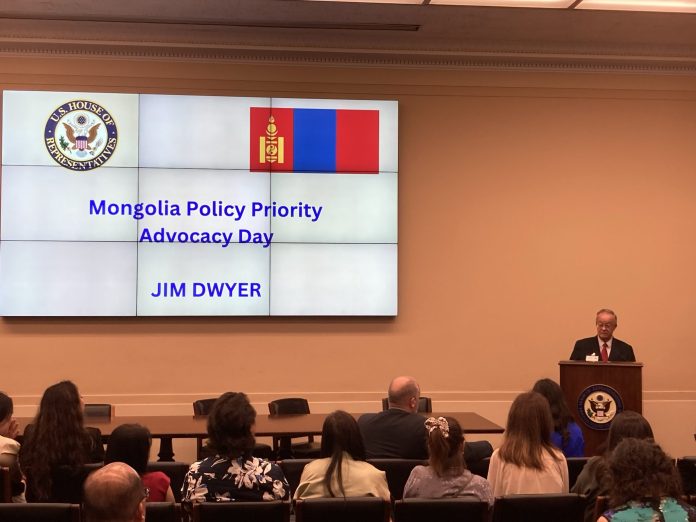
Washington, DC – The Third Neighbor Initiative, a key player in fostering the enduring partnership between the United States and Mongolia, recently organized a significant Congressional briefing on the Mongolia Third Neighbor Trade Act. This was followed by a reception to commemorate the strong ties between the two nations, characterized by mutual respect, cooperation, and shared interests.
During the event, participants had the unique opportunity to engage with key stakeholders, business leaders, and government personnel. Through interactive discussions, presentations, and networking sessions, the event aimed to highlight success stories, explore opportunities, and discuss future prospects that define the bilateral economic relations between the United States and Mongolia. These interactions provided a platform for meaningful dialogue and the exchange of valuable insights, making everyone feel involved in the process.
Jim Dwyer, an Independent Board of Directors Member, delivered remarks on US – Mongolia trade relations, providing details on crucial Mongolian trade sectors that have the potential to benefit the global economy. His insights into Mongolia’s dynamic trade landscape underscored the country’s rising importance on the world stage. One of the key economic factors mentioned in his speeches was the topic of mineral deposits in Mongolia.
The United States has become a significant partner in Mongolia’s economic development, particularly in sectors such as mining, agriculture, and technology. Both nations have worked to enhance bilateral trade agreements and investment opportunities, fostering a robust partnership that benefits from Mongolia’s rich natural resources and the United States’ technological expertise. This partnership is a source of pride and accomplishment for both nations.
Mongolia is endowed with extensive deposits of coal, copper, fluorite, gold, iron, molybdenum, tungsten, uranium, and zinc, with two of the largest copper mines in the world. Historically, most of these minerals have been exported to Russia and China. Yet, in recent years, Mongolia has attracted significant international interest in developing its mining sector for rare earth and critical minerals. Dwyer emphasized that Mongolia’s rich mineral resources will be among many sectors that will be included in the US-Mongolia economic relations, sparking optimism for future partnership.
Organizer Urga Azat, CEO of the Third Neighbor Initiative, played a pivotal role in ensuring the event’s success and facilitating these crucial discussions.
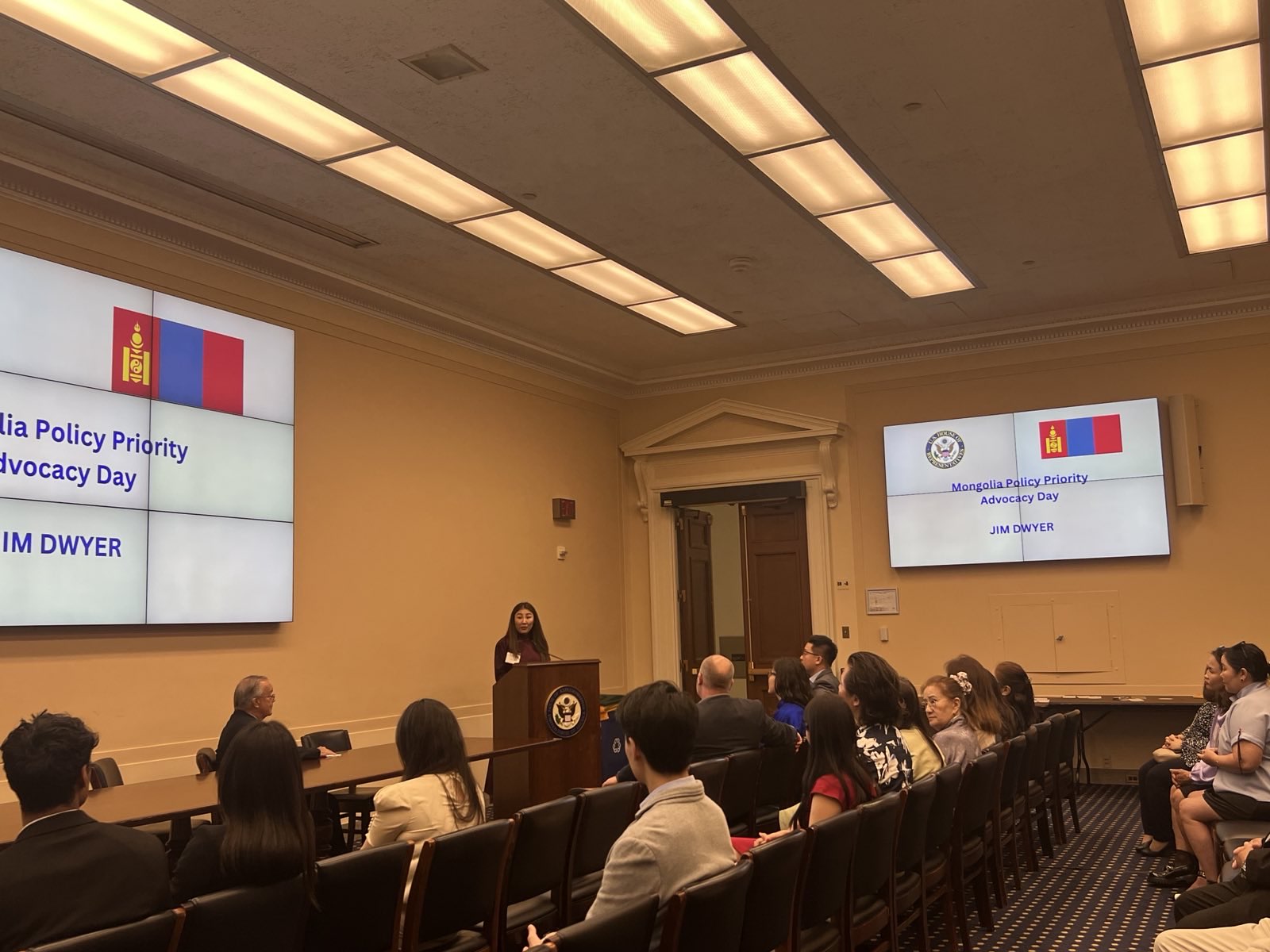
The event also featured remarks by Nisha Ramachandran, the Executive Director of the Congressional Asian Pacific American Caucus (CAPAC), chaired by Rep. Judy Chu (CA-27). With nearly a decade of experience working within the national Asian American & Pacific Islander (AAPI) community, Nisha’s contributions added depth to the discussions on U.S.-Mongolia relations. Her presence highlighted the broader context of collaboration within the AAPI community and its impact on strengthening bilateral ties.
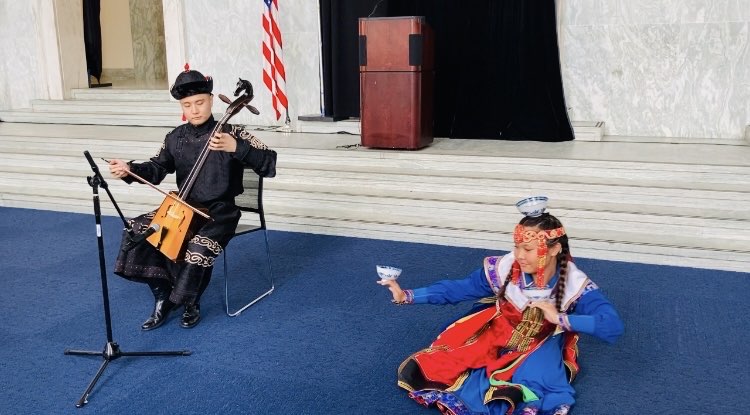
The reception that followed the Congressional briefing was a highlight of the event. It featured traditional Mongolian music and dance. The crowd was captivated by the performances and expressed gratitude for the opportunity to witness such beautiful cultural displays. This cultural exchange added a unique and memorable dimension to the event, fostering a deeper understanding and appreciation of Mongolia’s rich heritage.
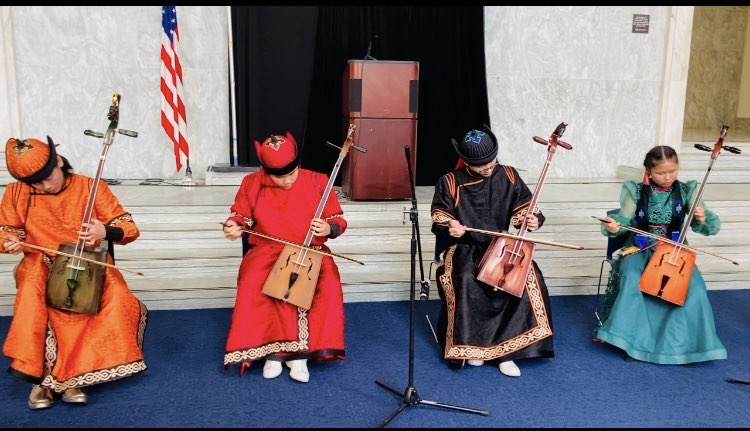
As attendees reflected on the day’s discussions and performances, the event reinforced the strong and vibrant partnership between the United States and Mongolia, paving the way for continued mutual prosperity and collaboration.

Se Hoon Kim
Se Hoon Kim is the Managing Editor and White House Correspondent for Global Strat View. A U.S. Army veteran, he covers the White House, national security, foreign policy, and U.S. politics.
- Se Hoon Kim#molongui-disabled-link

- Se Hoon Kim#molongui-disabled-link

- Se Hoon Kim#molongui-disabled-link

- Se Hoon Kim#molongui-disabled-link