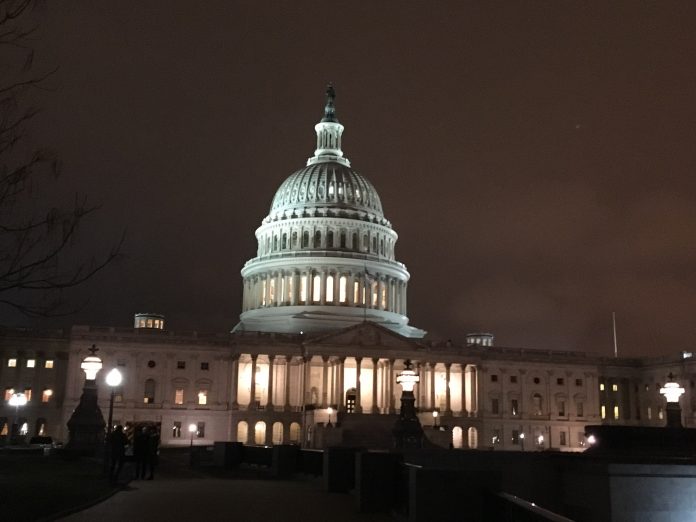
Thank you, Aimee and Ethiopian Americans participants of Media Advocacy Group. It was a great discussion and an informative briefing. I look forward to returning and encouraging the next generation of advocates.
HR 937 and 50-State Strategy Briefing, Discussion, and Q&A Session
Thank you to Aimee and to all participants for an informative and powerful briefing and discussion on House Resolution 937 (H.Res. 937), the 50-State Strategy, and the current political and humanitarian situation in Ethiopia.
The discussion focused particularly on the systematic marginalization, harassment, killings, and mass displacement of the Amhara people, as well as the broader deterioration of human rights across the country. Participants examined the worsening security situation, the targeting of civilians, and the growing humanitarian catastrophe unfolding in multiple regions of Ethiopia.
We also discussed the Blue Nile and the Grand Ethiopian Renaissance Dam (GERD), emphasizing Ethiopia’s legitimate right to utilize its natural resources for development, energy access, and economic survival.
Overview of H.Res. 937
H.Res. 937, introduced on December 9, 2025, by Congressman Buddy Carter (R-GA) and supported by Congressman Joe Wilson (R-SC), condemns the Government of Ethiopia for actions that threaten regional stability, violate fundamental human rights, and undermine U.S. strategic interests in the Horn of Africa.
The resolution:
- Condemns widespread human rights abuses, particularly in the Amhara region
- Cites credible reports of war crimes, crimes against humanity, and acts of genocide
- Highlights sexual violence, religious persecution, and the targeting of the Ethiopian Orthodox Church and other religious institutions
- Calls for targeted sanctions, including travel bans and asset freezes, under the Global Magnitsky Human Rights Accountability Act
- Reflects growing concern within the U.S. Congress about Ethiopia’s worsening humanitarian and political crisis as of late 2025
This resolution is strongly supported by Ethiopian Americans and human rights advocates who are calling for accountability and meaningful international action.
The Urgency of a 50-State Strategy
As Ethiopian Americans, we must engage in a coordinated, nationwide advocacy effort—a true 50-State Strategy—to educate, engage, and persuade Members of Congress in every state. Silence enables continued atrocities. If we do not speak up and act now, nothing will change.
During the briefing, we discussed:
- The current political crisis in Ethiopia
- Deep structural problems, including flaws in the Constitution and the ethnic-based federal system
- How these systemic issues have fueled conflict, instability, and fragmentation across the country
- Participants emphasized that meaningful peace requires constitutional reform, inclusive dialogue, and a political settlement that reflects the will of all Ethiopians.
Q&A Session: The GERD and Ownership of the Nile
During the Q&A session, a respected participant from Europe asked why Ethiopians—particularly Amharas—advocate so strongly for ownership and use of the Nile.
Key Facts About the Grand Ethiopian Renaissance Dam (GERD)
- Approximately 85% of the Nile’s water originates in Ethiopia, primarily from the Blue Nile
- Despite this, Ethiopians have historically received little to no benefit from this vital resource
- Nearly 83% of Ethiopians lack access to electricity
- About 94% of the population relies on wood for cooking and heating, contributing to environmental degradation and poverty
Ethiopia maintains that the GERD is a hydroelectric project, not a water-consumption project, and that it will:
- Expand access to clean, reliable energy
- Improve livelihoods in Ethiopia
- Promote regional economic integration and stability
However, Prime Minister Abiy Ahmed appears willing to pursue his political agenda at any cost to retain power. At the same time, Egyptian President Abdel Fattah el-Sisi is similarly driven by political survival and has reportedly invested millions of dollars in U.S. political influence.
Given these realities, Ethiopians must intensify advocacy efforts with the U.S. Congress to ensure lawmakers understand a fundamental truth:
A nation of 132 million people has a legitimate and urgent right to use its natural resources to support development, energy access, and economic survival.
Sample Letter for the 50-State Strategy (Refined)
Below is a revised, ready-to-send version of the sample letter discussed during the briefing.

Mesfin Mekonen
Mesfin Mekonen is the author of Washington Update, a bulletin about Ethiopia’s struggle for freedom and prosperity, and founder of MM Management.
- Mesfin Mekonen#molongui-disabled-link

- Mesfin Mekonen#molongui-disabled-link

- Mesfin Mekonen#molongui-disabled-link
- Mesfin Mekonen#molongui-disabled-link