WASHINGTON – Every year on March 23, Pakistan celebrates its first Constitution Day. On this day in 1956, British rulers abolished Pakistan’s constitutional dominion status and declared it a sovereign nation. During the same week, on March 25, Bangladesh, which was previously a part of Pakistan, commemorates East Pakistan Genocide Day to remind the world of the heinous crimes committed by the Pakistani military against its inhabitants.
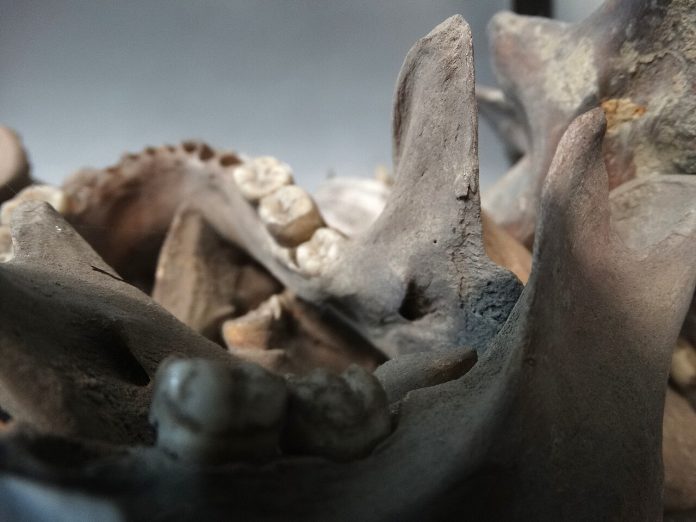
This year, Bangladeshi Prime Minister Tarique Rahman gave an official statement in which he mentioned Pakistan’s despicable and violent role in the 1971 Operation Searchlight. He described how the Pakistani military began a pre-planned massacre and opened fire on professors, intellectuals, and innocent civilians, killing many. He highlighted that on this day, the 8th East Bengal Regiment revolted and launched an armed rebellion against Pakistan. The long nine-month military liberation campaign resulted in the dissolution of Pakistan and the establishment of Bangladesh as a sovereign nation. The Bengalis were so desperate to end Pakistani slavery that they endured the deaths of three million of their people and the rape of over half a million women by the Punjabi soldiers.
The Prime Minister’s letter demonstrates that the liberation war was indigenous and clears India of any purported meddling aimed at breaking the country. PM’s letter is also an eye-opener for Pakistanis who can’t stop gloating about the existence of constitutional democracy and equal rights in their country. Just as the majority of Pakistan’s population, the Bengalis, had no rights or dignity under the 1956 Constitution, the Baloch, Pashtun, Sindhis, Hazara, and people of occupied Gilgit-Baltistan have no rights under the 1973 Constitution.
The Bengalis of East Pakistan began their campaign for rights shortly after Pakistan gained dominion status in 1947. They advocated for a functioning democratic system, internal autonomy, respect for indigenous languages and cultures, and local control over natural resources. The demands were met by the Punjabi army and West Pakistan’s Urdu-speaking elite with significant resistance and force.
On February 21, 1952, the Pakistani army massacred protesting Bengalis in Dhaka. The protestors wanted their language to be taught in schools and recognized as the country’s national language alongside Urdu. The United Nations has recognized February 21 as International Mother Language Day, reminding us of the struggle and sacrifice of Pakistani Bengalis for linguistic rights and identity. The message of the ruling establishment to Bengalis was loud and clear. They would rather displace, kill, and rape you than recognize and respect you as equal citizens, even if that means losing half of the country.
Pakistan shows no remorse for its atrocious crimes. It has never apologized to the people of Bangladesh. It has maintained the same national practices of forced displacement, murder, and rape of locals in Balochistan, Pashtunistan, and occupied Gilgit-Baltistan.
Nations that refuse to accept fault cannot grow. The experience of Bengalis in East Pakistan shows that struggles for liberation, rather than seeking rights within a system that historically denies them, can lead to self-determination. People in Gilgit Baltistan must recognize these parallels and take heed from Bangladesh’s journey as they consider their own path forward.

Senge Sering
Senge Sering is a native of Pakistan-occupied-Gilgit-Baltistan and runs the Washington DC based Gilgit Baltistan Studies
- Senge Sering#molongui-disabled-link

- Senge Sering#molongui-disabled-link

- Senge Sering#molongui-disabled-link

- Senge Sering#molongui-disabled-link