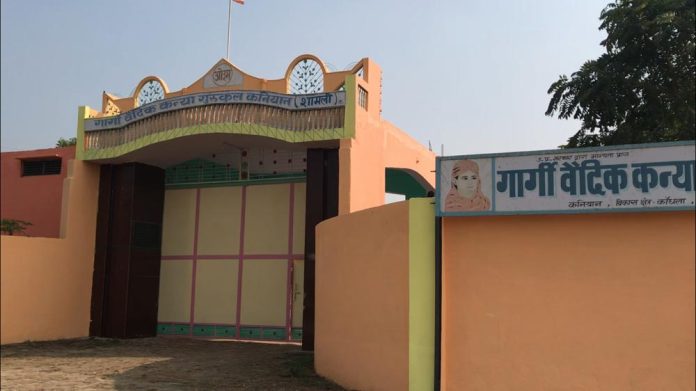
A decade ago, I met super bright, energetic kids at a Gurukul in Gujarat. Watching them in dhotis doing mallakhamb, firing off sharp answers, and holding their own in global math competitions – it was electric. But three questions kept spinning in my head: Does this gurukul system even get recognition in India today? Can these students step into the “real” world, snag jobs, and thrive? And how do the acharyas teaching here secure their livelihoods? That sight made me wonder: why is the government still holding back from fully backing these vibrant knowledge centers?
Chasing answers led me to long chats with Acharya Jay Rathod, a young Vedic-math whiz running classes there. His enthusiasm was contagious – it hit me that a generation of Gurukul kids could shape India’s future, but only with real support like tech access and livelihood links to blend ancient smarts with modern gigs. Still, visiting a girls’ Gurukul run in Gujarati felt a bit tucked away from the outside world. We’ve spent years confusing plain living for backwardness. I started sensing the acharyas’ dilemma: they’re often under religious sects where teachers push scriptural discipline, but managers pour in cash and shove their rituals, creating a profit-power mess. It’s like private schools – twisting education’s soul. History reminds us that knowledge bloomed when kings patronized it, like in India’s golden eras. Someday, I’ll talk about Swami Vivekananda triggering the first Sanskrit Paathshala in a princely state, where he learned Panini’s Ashtadhyayi from scholars living there.
Past Takedown and Quiet Survival
Flashback: In ancient Ujjain, Krishna and Balarama learned 64 arts (kalas) and 14 subjects (vidyas) at Rishi Sandipani’s ashram – that was a benchmark for well-rounded royal leaders. Dharampal’s ‘The Beautiful Tree’ (based on 1830s British records) nails it: around 732,000 Gurukuls dotted India at the time. Officials like Macaulay and Munro saw this indigenous setup hampering colonial control, so they curtailed state grants and systematically dismantled ancient knowledge centers (Macaulay’s 1835 Minute echoes this).
They built a system churning out clerks for empire service, deepening divides with a “civilized” babu class. Post-independence, we kept the colonial hangover – barely reviving Gurukuls. NIOS launched in 1989 to save Indian traditions (per its charter), but got zero serious push. Survivors hung on because people refused to let their identity be erased, quietly preserving scriptures and arts across India – though much has been lost beyond recovery.
NEP Lights the Fire
A decade on, things feel different with the National Education Policy (NEP, 2020) carving space for Sanskrit and Indian knowledge systems (NEP Section 4.25). Public buzz is up, and Gurukul students can now weave into governance, blending wisdom with tech for endless possibilities. In 2022, the government launched the Indian Education Board under Patanjali Yogpeeth to certify Gurukuls and revive guru-shishya traditions (ref PIB note, July 2022), integrating them into modern curricula for global-ready leaders.
Author profile

Dr. Shipra Mathur
Dr. Mathur is a veteran journalist based in Jaipur, India. The views expressed here are solely those of the author.
- Dr. Shipra Mathur#molongui-disabled-link

- Dr. Shipra Mathur#molongui-disabled-link

- Dr. Shipra Mathur#molongui-disabled-link

- Dr. Shipra Mathur#molongui-disabled-link