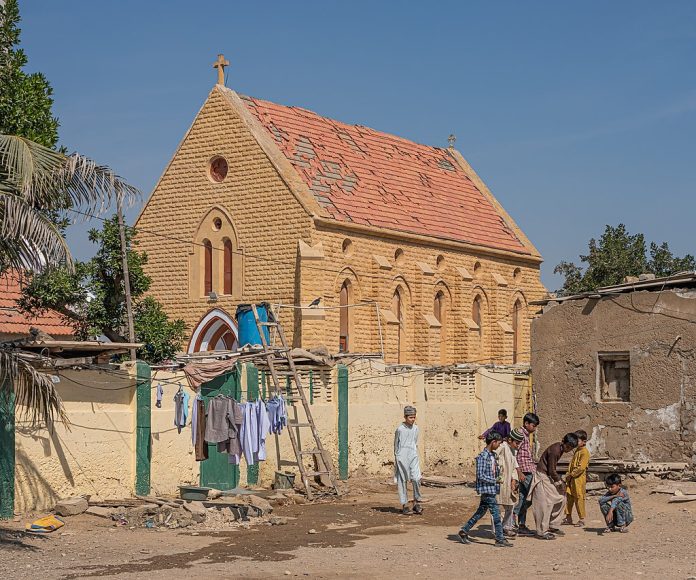
WASHINGTON – Every year on August 11, Pakistan commemorates Minorities Day, a solemn yet hopeful occasion dedicated to recognizing the invaluable contributions of religious and ethnic minorities to the fabric of our beloved nation. This day serves as a powerful reminder of our collective responsibility to uphold the rights, dignity, and freedoms of all citizens, regardless of their faith or background.
As a Christian, an educator, and an advocate for interfaith harmony, I view August 11 not just as a date on the calendar, but as a call to action — a moment to reaffirm our commitment to justice, equality, and mutual respect in a diverse society.
The Significance of Minorities Day
Pakistan’s minorities — including Christians, Hindus, Sikhs, Buddhists, Parsis, Ahmadis, and others — have been intrinsic to the country’s cultural mosaic and social progress. From serving in education, health, civil services, and arts to contributing to national development, minorities have enriched Pakistan’s identity in countless ways.
Minorities day is a celebration of this diversity. It recognizes the struggles minorities have faced historically, including discrimination and marginalization, while emphasizing the need for inclusion, protection, and empowerment. It is also an occasion to honor the sacrifices made by minority communities and to spotlight their aspirations for equal participation and representation.
Challenges Still Ahead
Despite constitutional protections and legal safeguards, many minority communities in Pakistan continue to face significant challenges — from social prejudice and unequal opportunities to issues related to religious freedom and security. These obstacles often hinder their full potential and create barriers to national unity and progress.
It is vital for us as a nation to move beyond mere tolerance to embrace true acceptance and partnership. Pakistan’s strength lies in its diversity, and our future depends on the harmony among all its citizens. Addressing the concerns of minorities is not a favor but a fundamental duty of a democratic and just society.
The Role of Education and Interfaith Harmony
As an educationist deeply involved in fostering inclusive learning environments, I firmly believe that education is the cornerstone of tolerance and understanding. Schools and universities must become spaces where young minds learn to appreciate pluralism, respect differences, and build bridges across faiths and cultures.
Furthermore, interfaith dialogue and harmony are not merely abstract ideals, but practical necessities for achieving peace and coexistence. Through initiatives that foster conversations among religious communities, we can reduce misconceptions, cultivate empathy, and establish a collective vision for a just society where everyone’s rights are safeguarded.
A Call to Collective Action
On this August 11, I urge the government, civil society, educational institutions, and every citizen to renew their commitment to minority rights. Concrete steps must be taken to:
- Enforce laws protecting religious freedom and minority rights rigorously.
- Promote minority representation in government, judiciary, and public services
- Develop educational curricula that reflect Pakistan’s diverse heritage.
- Support minority-led social and cultural initiatives.
- Foster platforms for interfaith engagement and mutual understanding
Honoring Our Shared Humanity
Minorities day is ultimately about celebrating our shared humanity. It reminds us that beneath our different beliefs and traditions, we all seek dignity, respect, and the opportunity to contribute meaningfully to society. Pakistan can only achieve its full promise when every citizen feels safe, valued, and empowered.
As we observe Minorities Day this year, let us pledge to build a Pakistan where diversity is cherished, differences are celebrated, and peace prevails. It is through unity in diversity that we honor the vision of Pakistan’s founding ideals and lay the foundation for a brighter, inclusive future.

Seemab Asif
Seemab Asif is a multi-award-winning educator, human rights advocate, Peace Ambassador, and Executive Board Member of AMMWEC. She currently serves with Spring Education Group in the United States, where she is committed to advancing inclusive education and empowering women and underserved communities. Through education, advocacy, and public engagement, she champions dignity, equality, and equitable opportunities for marginalized populations, working to foster lasting social change and cross-cultural understanding.
- Seemab Asif#molongui-disabled-link

- Seemab Asif#molongui-disabled-link

- Seemab Asif#molongui-disabled-link

- Seemab Asif#molongui-disabled-link