
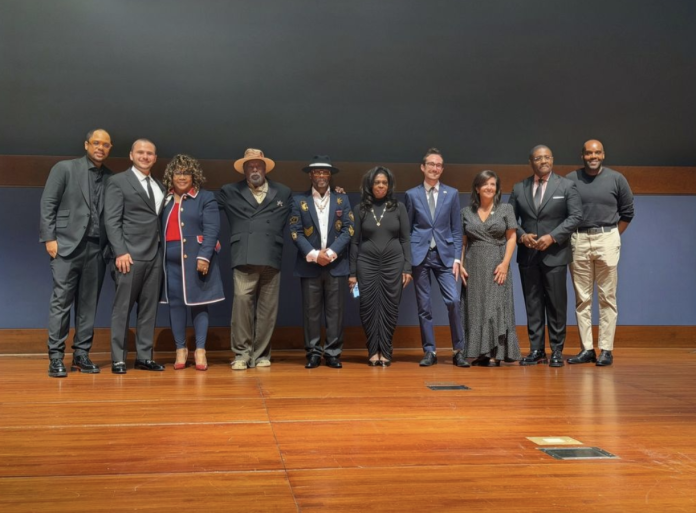
WASHINGTON — By the time the House finished its business for the day, the Capitol was settling into its evening rhythm. Members and staff moved through the complex, some heading home, others toward another reception, another meeting, another obligation in a city that rarely seems to run out of them.
Inside the Congressional Auditorium, though, the day’s political arguments were temporarily set aside. The subject was something less tangible and, in Washington, increasingly unusual: what Americans might still share. The occasion was the America United National Observance, held on the eve of Constitution Day. The program was presented by Motif Awards and its cultural arm, the International Festival of the United States of America, under the direction of LJ Woodard.
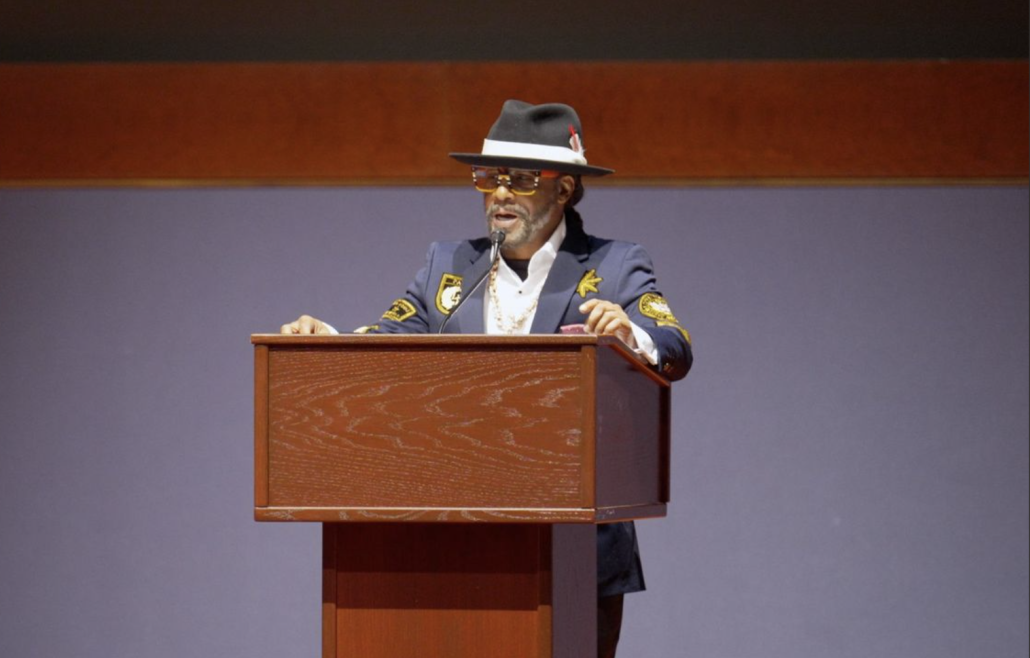
The guest list might have suggested a typical Washington spectacle. Congresswoman Jasmine Crockett and Congressman Al Green appeared alongside Emmy Award-winning actor and comedian Katt Williams, GRAMMY winner and Rock & Roll Hall of Fame inductee George Clinton, Prince Michael Jackson Jr., executive producer of Michael and son of Michael Jackson, Grammy-nominated recording artist Kim Burrell, and Virginia Gamba, the longtime United Nations diplomat and former Under-Secretary-General. But the significance of the evening was less about who was on the stage than about who was in the room.
Educators sat alongside civic leaders. Members of the armed forces shared the auditorium with students. Public figures accustomed to rooms built around them were part of a gathering that, at least for an evening, resisted the usual hierarchy of Washington events. There were no campaign slogans to repeat, no party platform to defend and no political score to settle. Instead, the conversation returned repeatedly to citizenship.
That word can sound abstract in the capital. In practice, it is not. Citizenship is exercised in classrooms and voting booths, in military units and community organizations, in neighborhood meetings and in the less visible work of people who rarely receive public recognition.
The students in the auditorium made that point more plainly than any speech could. The United States is approaching its 250th anniversary, a milestone that invites the usual reflection on where the country has been. But anniversaries also raise a less comfortable question: what will those who come after us do with what they inherit? The entertainers brought another answer.
American popular culture has always had a peculiar ability to cross lines that politics cannot. A song does not ask how one voted. A joke does not require agreement on foreign policy. A shared cultural memory can survive an argument over almost anything else.
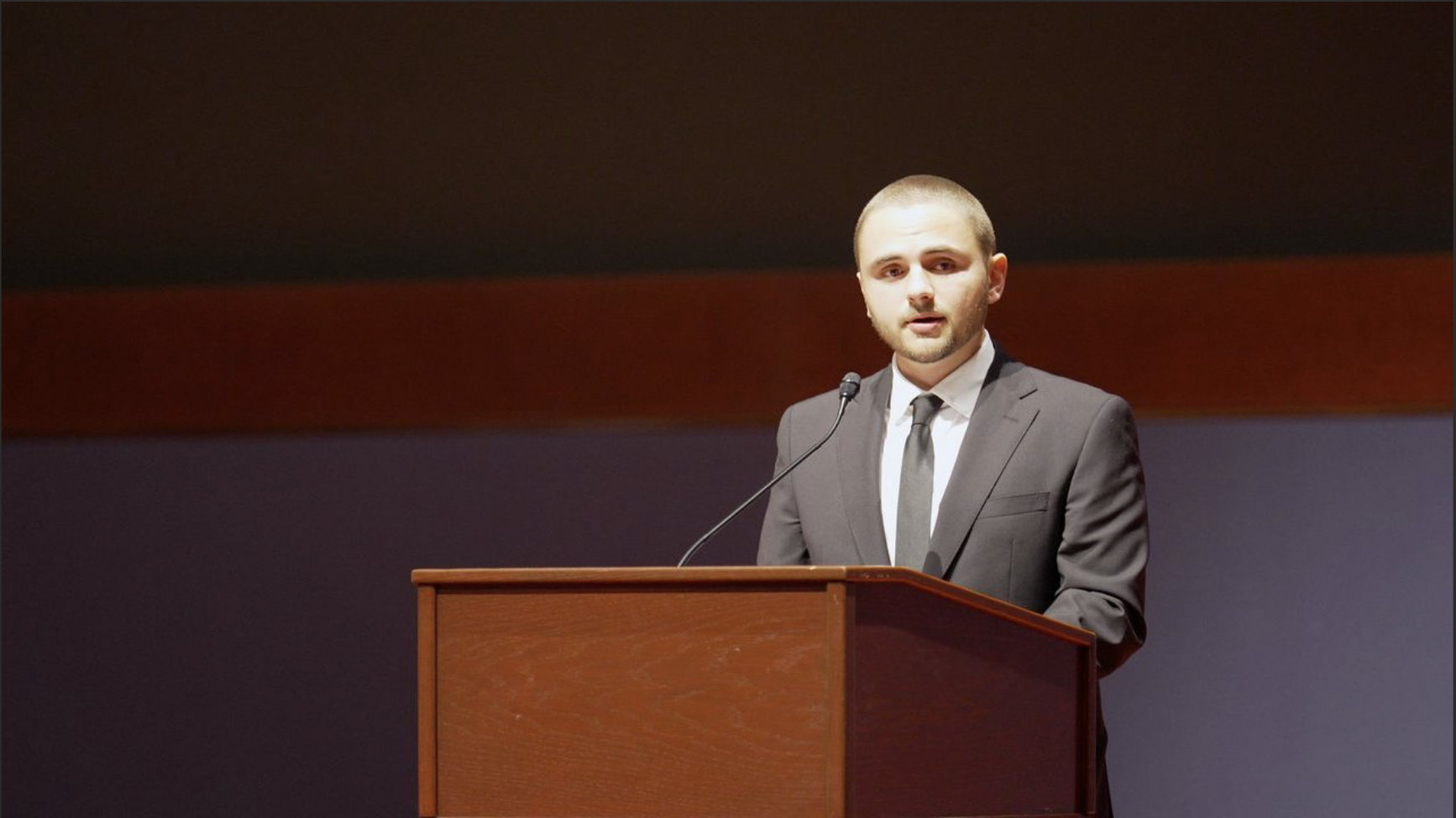
That made the presence of musicians, actors and entertainers alongside lawmakers, diplomats, service members and educators more than a matter of celebrity. It was a reminder that national identity is formed in places far beyond government. None of this required anyone in the room to surrender a political conviction. Nor should it.
The United States has never been a country defined by unanimity. Its history is an argument as much as it is a story. The Constitution itself emerged from competing interests, difficult negotiations and compromises that satisfied no one completely.
The American experiment was never premised on the disappearance of disagreement. It depended on something harder: the ability to disagree without abandoning the institutions and civic bonds that make disagreement possible. The Capitol provided an appropriate backdrop.
The building is ordinarily a stage for conflict. Votes are counted there. Coalitions are built and broken there. Speeches are delivered, amendments proposed and political futures calculated. For one evening, the same institution became a setting for considering a different question — not what divides Americans, but what makes it possible for them to remain Americans together. With another election approaching and the nation’s 250th anniversary on the horizon, that question has acquired a particular urgency.
The country’s history offers little reason to believe that its divisions will disappear. They will not. Americans will continue to disagree about government, culture, economics and the country’s place in the world. But disagreement is not the same thing as disunity.
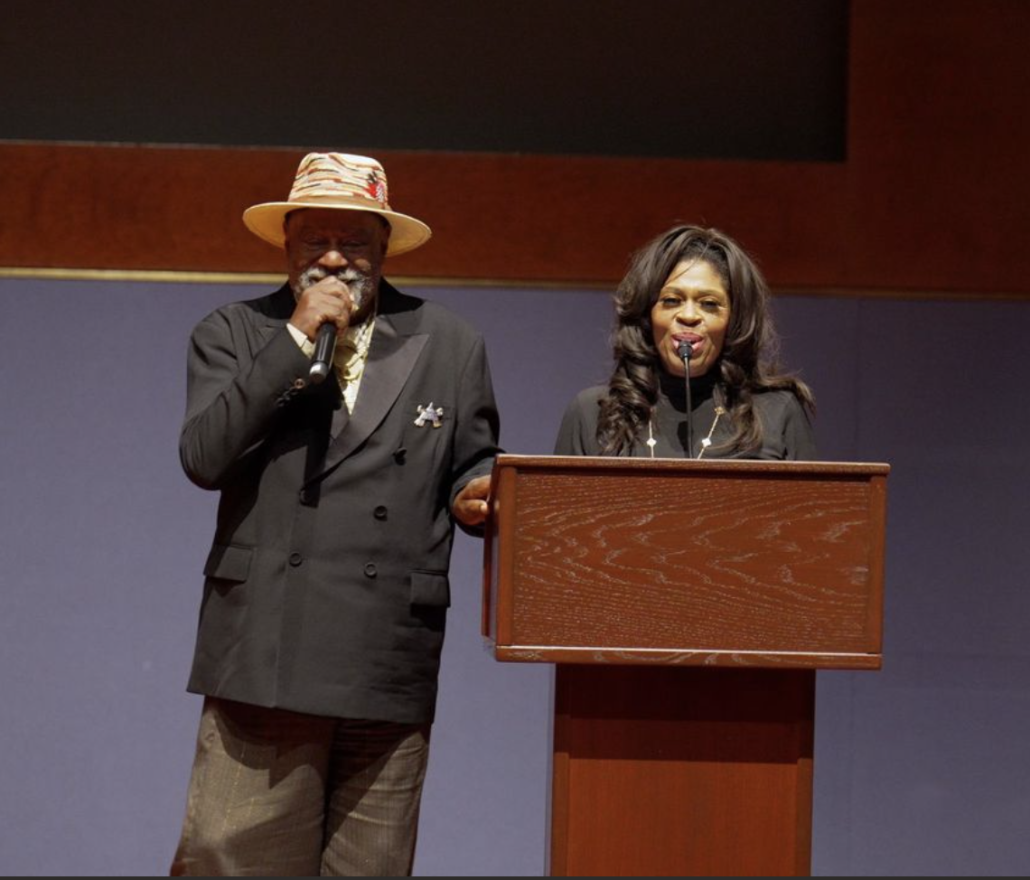
A democracy is sustained not only by the people who win elections or occupy prominent offices, but also by those who teach, serve, vote, volunteer, organize, create and participate. Much of that work happens without cameras. That may have been the most telling feature of the evening.
Congressional leaders shared the room with entertainers and diplomats. Service members stood among educators and students. People whose professional lives could hardly have been more different came together without pretending those differences did not exist. In Washington, that can seem almost radical.
The evening offered no grand solution to the country’s political divisions. It did not need one. Its quieter proposition was perhaps more durable: Americans do not have to agree with one another to recognize one another as fellow citizens. Sometimes, in a divided country, that is where unity begins.

Se Hoon Kim
Se Hoon Kim is the Managing Editor and White House Correspondent for Global Strat View. A U.S. Army veteran, he covers the White House, national security, foreign policy, and U.S. politics.
- Se Hoon Kim#molongui-disabled-link

- Se Hoon Kim#molongui-disabled-link

- Se Hoon Kim#molongui-disabled-link

- Se Hoon Kim#molongui-disabled-link