WASHINGTON – The primary responsibility of any government is to protect the lives, safety, and fundamental rights of its citizens. Unfortunately, the current Government of Ethiopia has failed to fulfill this most basic obligation. Rather than ensuring the security of innocent civilians, it has been unable—or unwilling—to prevent ongoing violence, protect vulnerable communities, and hold perpetrators accountable.
Recent reports from the Arsi (Arusi) region are deeply troubling. Ethiopian Orthodox Christians have reportedly been targeted, killed, and their churches destroyed. Likewise, Amhara civilians continue to face violence and killings because of their ethnic identity. These are not isolated incidents but part of a broader human rights crisis that deserves urgent international attention.
The fundamental questions remain: Where is the Government of Ethiopia when innocent civilians are under attack? Why has it failed to provide equal protection and security to all Ethiopians regardless of ethnicity, religion, or political affiliation?
These concerns cannot be ignored or overshadowed by political rhetoric.
National Dialogue Must Be Built on Democratic Principles
Prime Minister Abiy Ahmed recently stated that nationwide consultations had helped establish a common national direction through inclusive political and economic reforms and that public consultations enabled the government to better understand the aspirations of Ethiopian citizens.
Unfortunately, the reality on the ground tells a different story.
As I emphasized during my interviews with Deutsche Welle (DW) and the Zewdu Show, as well as in my written testimony before the United States Congress during the hearing titled “Congress Examines Ethiopia’s Human Rights and Humanitarian Crisis,” genuine national dialogue cannot exist without the essential foundations of democracy.
A credible national dialogue requires freedom of expression, freedom of the press, an independent judiciary, respect for human rights, active civil society organizations, and the meaningful participation of all political voices without intimidation or fear. Without these democratic institutions, any so-called national dialogue lacks credibility and legitimacy.
Many Ethiopians remain concerned that the current National Dialogue process is being directed by the government rather than conducted as an independent and inclusive national initiative representing all citizens equally. Lasting peace cannot be achieved while democratic freedoms remain restricted and innocent civilians continue to suffer.
Congressional Hearing Marks an Important Milestone
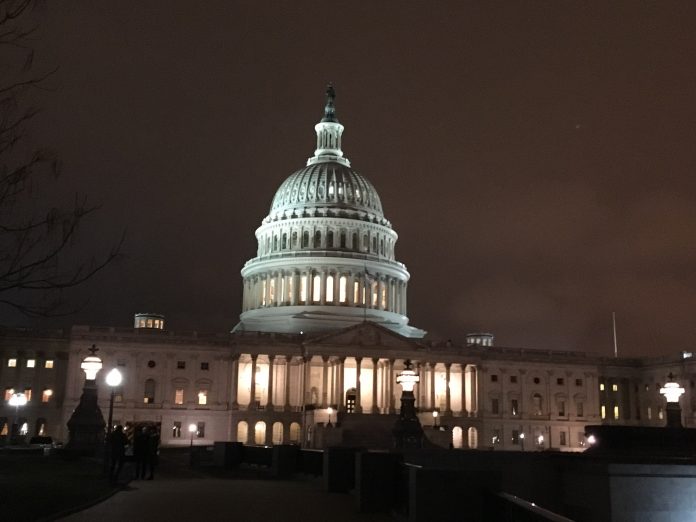
The recent congressional briefing examining Ethiopia’s human rights and humanitarian crisis represents an important achievement for Ethiopian-American advocacy organizations. The conference held at the Senate Kennedy Caucus Room and the congressional briefing at the Rayburn House Office Building demonstrated that sustained advocacy can bring Ethiopia’s human rights crisis before policymakers in Washington.
The hearing examined several critical issues, including:
- Continuing instability despite the November 2022 Pretoria Cessation of Hostilities Agreement.
- Ongoing reports of extrajudicial killings, ethnic violence, conflict-related sexual violence, and drone strikes affecting civilians.
- Severe humanitarian conditions caused by insecurity, displacement, and restrictions on humanitarian assistance.
- Congressional consideration of stronger U.S. policies, including House Resolution 937 and additional measures promoting accountability and protection of civilians.
These discussions reinforced the importance of continued engagement between Ethiopian-American civic organizations, Members of Congress, human rights experts, and international policymakers.
Equal Protection for Every Ethiopian
In my written testimony submitted to Congress, I emphasized a simple but essential principle:
International attention should never be limited to only one conflict or one region. Every Ethiopian deserves equal protection under the law.
The suffering of civilians in Tigray, Amhara, Oromia, Benishangul-Gumuz, Afar, and other regions deserves equal concern and equal attention. Human rights are universal and must never depend on ethnicity, religion, or geography.
My testimony also acknowledged the tremendous humanitarian assistance provided by the United States over many decades, saving millions of Ethiopian lives during periods of famine, drought, conflict, and economic hardship. At the same time, I urged Congress and the Administration to continue prioritizing Ethiopia as violence, political repression, and humanitarian suffering persist across much of the country.
I also raised concerns regarding attacks against the Ethiopian Orthodox Tewahedo Church, restrictions on religious freedom, and the suffering endured by members of the Amhara community. Allegations of serious human rights violations should be investigated through independent and impartial investigations, and all victims deserve justice.
The Need for a Principled U.S. Strategy
The United States has long been one of Ethiopia’s closest partners. That partnership should continue, but it must be guided by America’s longstanding commitment to democracy, accountability, religious freedom, and universal human rights.
Members of Congress should continue encouraging an inclusive national political dialogue that reflects the voices and aspirations of all Ethiopians rather than serving the interests of any single political authority.
Peace without justice cannot endure.
The International Community Must Not Remain Silent
The continued reports of killings of innocent women, children, and civilians are heartbreaking. Reports of drone strikes against civilian populations raise serious humanitarian concerns and warrant independent investigation under international law.
The international community cannot remain silent while innocent civilians continue to suffer displacement, violence, and insecurity.
We therefore call upon the United States, Congress, international human rights organizations, and the broader international community to continue monitoring developments in Ethiopia, encourage independent investigations into alleged human rights abuses, support accountability, and promote genuine democratic reforms that protect all Ethiopian citizens equally.
Moving Forward
The future of Ethiopia depends not on political slogans but on meaningful reforms grounded in democracy, accountability, justice, and respect for human dignity.
The Ethiopian people deserve a government that protects every citizen equally, respects religious freedom, upholds the rule of law, and creates an environment where every Ethiopian can participate freely in determining the future of the nation.
As Ethiopian Americans and friends of Ethiopia, we must continue our peaceful advocacy by educating policymakers, engaging elected officials, and working with international partners to promote human rights, democratic governance, national reconciliation, and lasting peace.
Our voices matter. Through persistent, principled, and peaceful advocacy, we can continue advancing the cause of justice, accountability, democracy, and human rights for all the people of Ethiopia.

Mesfin Mekonen
Mesfin Mekonen is the author of Washington Update, a bulletin about Ethiopia’s struggle for freedom and prosperity, and founder of MM Management.
- Mesfin Mekonen#molongui-disabled-link

- Mesfin Mekonen#molongui-disabled-link

- Mesfin Mekonen#molongui-disabled-link

- Mesfin Mekonen#molongui-disabled-link